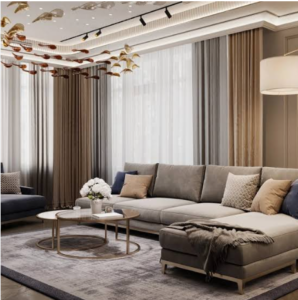
Window treatments play a crucial role in shaping the mood, comfort, and functionality of indoor environments. From controlling sunlight to influencing interior aesthetics, fabric choices directly affect how a space feels and performs throughout the day. Among lightweight fabric options, sheer materials have gained popularity for their ability to soften light while maintaining an open, breathable atmosphere.
Understanding where lightweight window fabrics work best requires looking beyond appearance. Factors such as climate, room usage, privacy needs, and maintenance expectations all influence how well a fabric performs over time. By exploring these elements, homeowners, designers, and property managers can make more informed decisions about where sheer window coverings provide the most value.
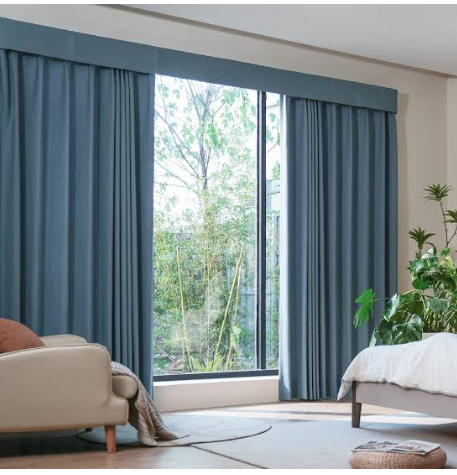
Understanding how lightweight sheer fabrics influence natural lighting and room atmosphere in different environments
Lightweight sheer fabrics are designed to filter sunlight rather than block it. This allows natural light to enter rooms while reducing glare and harsh brightness. The result is a softer illumination that enhances comfort and visibility without creating heavy shadows.
In residential spaces, filtered daylight can make rooms appear:
- Larger and more open
- More comfortable during midday sunlight
- Less dependent on artificial lighting
- Visually softer and more relaxing
In office and hospitality environments, filtered light helps reduce eye strain while maintaining a bright, welcoming atmosphere. Spaces with large windows particularly benefit from this light diffusion effect.
In many interior design scenarios, designers recommend using materials like chiffon curtains when the goal is to balance natural brightness with visual softness, especially in living rooms and lounge areas.
How interior designers use layering techniques with sheer materials to create depth and privacy without blocking light
Layering is a widely used technique that combines sheer fabrics with heavier materials. This approach provides flexibility because users can adjust light and privacy levels depending on time of day or activity.
Common layering combinations include:
- Sheer fabric + blackout drapes for bedrooms
- Sheer fabric + medium-weight drapery for living rooms
- Sheer fabric + textured panels for visual contrast
Benefits of layering include:
- Daytime privacy while maintaining brightness
- Nighttime full privacy when needed
- Added visual depth and luxury appearance
- Better insulation and temperature control
Designers often recommend installing double-track systems to allow independent movement of each layer. This creates maximum flexibility without complicating daily use.
Comparing sheer fabric window treatments with heavier drapery options for functionality and style impact
Choosing between lightweight and heavy window coverings depends largely on functional priorities. Each option serves different purposes and environments.
Sheer Fabric Advantages
- Allows maximum natural light
- Creates airy and open aesthetics
- Works well in social and daytime-use spaces
- Lightweight and visually minimal
Heavy Drapery Advantages
- Provides full light blocking
- Offers stronger insulation
- Enhances sound absorption
- Adds dramatic visual presence
In outdoor or semi-outdoor environments, some spaces instead use natural materials such as bamboo blinds when durability and natural texture are more important than light diffusion.
How climate, humidity, and sunlight exposure affect sheer fabric durability and long-term maintenance needs
Environmental conditions play a major role in determining how long lightweight fabrics maintain their structure and appearance. High humidity, intense UV exposure, and dust levels all influence fabric lifespan.
Key environmental factors include:
Sunlight Exposure
Continuous direct sunlight can weaken delicate fibers over time. UV-protective window films or layered systems can help reduce damage.
Humidity Levels
High humidity can lead to:
- Fabric stretching
- Fiber weakening
- Increased dust adhesion
Dust and Air Quality
Dust accumulation can dull fabric brightness and reduce light-filtering performance. Regular cleaning schedules are essential.
Maintenance tips include:
- Gentle machine washing or professional cleaning
- Avoiding strong chemical detergents
- Allowing full air drying before rehanging
Exploring common room placements where sheer window coverings enhance visual openness and comfort
Certain rooms benefit more from lightweight window coverings because of how those spaces are used daily.
Living Rooms
Light diffusion helps create comfortable daytime gathering spaces.
Dining Areas
Filtered light improves visual comfort during meals and social gatherings.
Home Offices
Natural light improves productivity while reducing glare on screens.
Transitional Spaces
Hallways, reading corners, and sunrooms benefit from increased brightness and openness.
Placement decisions should consider window direction, daily sun path, and furniture layout to maximize comfort and usability.
How hospitality and commercial spaces select fabric density levels for aesthetics and guest comfort
Commercial environments require balancing aesthetics with durability and functionality. Guest comfort is a priority, especially in accommodation settings.
Many hospitality properties carefully choose layered window systems that include decorative outer layers combined with functional inner layers. In these environments, hotel curtains are often selected based on durability, fire safety compliance, and ease of maintenance.
Important commercial selection factors include:
- Fabric flame resistance standards
- Ease of cleaning between guest stays
- Long-term color stability
- Compatibility with automated curtain systems
These requirements ensure consistency across multiple rooms and long-term operational efficiency.
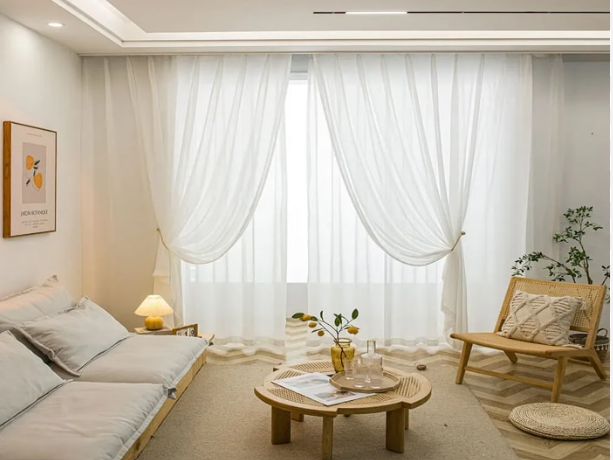
Maintenance routines required to keep delicate fabric window treatments clean and long lasting
Maintaining delicate window fabrics requires consistent care routines. Proper maintenance helps preserve both appearance and functionality.
Weekly Maintenance
- Light vacuuming using soft brush attachments
- Gentle shaking to remove dust particles
Monthly Maintenance
- Spot cleaning small stains
- Checking track or rod functionality
Seasonal Maintenance
- Full cleaning based on manufacturer instructions
- Hardware inspection and tightening
Long-Term Care Tips
- Avoid direct contact with wet windows
- Rotate fabric exposure if possible
- Store spare panels in breathable fabric bags
- Avoid excessive pulling or stretching during use
Consistent care can significantly extend fabric lifespan and maintain original light-filtering quality.
Conclusion
Lightweight sheer window fabrics offer a unique balance between natural lighting, aesthetic softness, and functional comfort. Their ability to enhance brightness while maintaining visual privacy makes them suitable for a wide variety of interior environments.
When properly selected based on climate, placement, and usage needs, these fabrics can provide long-term performance and design value. Understanding environmental factors, layering strategies, and maintenance routines ensures that users get the best results from their window treatment choices.
FAQs
What makes sheer fabric window coverings different from blackout curtains?
Sheer fabrics filter sunlight and maintain brightness, while blackout curtains are designed to completely block light for maximum darkness and privacy.
Are lightweight fabric window treatments suitable for sunny climates?
Yes, but they may require layering or UV protection solutions to prevent long-term fiber damage from intense sunlight exposure.
How often should delicate window fabrics be cleaned safely?
Light cleaning is recommended weekly, while deeper cleaning may be done seasonally depending on dust levels and environmental exposure.
Do sheer window coverings provide any privacy during daytime?
Yes, during daylight hours they reduce outside visibility while still allowing natural light to enter indoor spaces.
Can lightweight curtains be layered with heavier drapes effectively?
Yes, layering is commonly used to combine daylight softness with nighttime privacy and improved insulation performance.