Blackout curtains have become an essential interior solution in regions with intense sunlight, high temperatures, and strong outdoor lighting exposure. In cities such as Dubai, where sunlight intensity remains high for most of the year, homeowners increasingly rely on light-blocking window treatments to create comfortable indoor environments. Understanding how blackout curtains function goes beyond simple light control — they contribute to energy efficiency, privacy, and overall lifestyle comfort.
Modern blackout curtains are engineered using advanced textile layering and dense weaving techniques. These curtains are not only designed to darken rooms but also to reduce heat penetration, limit noise, and protect interior furnishings. By combining functionality with design flexibility, blackout curtains serve both practical and aesthetic purposes in modern homes.

How blackout curtains help regulate indoor temperature in extremely hot climates and reduce solar heat gain inside homes
In hot climate regions, controlling indoor temperature is critical for maintaining comfort and reducing cooling costs. Blackout curtains act as a physical barrier between window glass and indoor air, slowing heat transfer significantly.
Key temperature regulation benefits include:
- Blocking direct sunlight before it enters the room
- Reducing thermal radiation from heated glass surfaces
- Supporting air conditioning systems by maintaining stable indoor temperatures
- Preventing rapid temperature spikes during midday sun exposure
Many homes also pair blackout curtains with specialized window hardware and layered textile components. Choosing the right accessories can further enhance insulation and durability. When exploring different enhancement options, many homeowners research solutions like curtain accessories dubai to understand compatibility with heavy curtain fabrics and mounting systems.
Over time, consistent temperature regulation can reduce energy strain and improve long-term interior climate stability.
The science behind light blocking curtain fabrics and how multilayer weaving technology improves room darkness significantly
Blackout curtains use advanced textile engineering rather than simple thick fabric construction. The effectiveness comes from multilayer weaving structures.
Typical blackout curtain layers include:
- Decorative outer fabric layer
- Light-blocking foam or coated middle layer
- Protective backing layer for durability and insulation
This multilayer system prevents light particles from passing through fabric pores. Unlike standard curtains, blackout textiles are designed to absorb and reflect light simultaneously.
Modern blackout fabrics can block up to:
- Artificial city lighting
- Early sunrise light exposure
- Vehicle headlights and street lighting
- Commercial building light reflections
This makes them ideal for bedrooms, media rooms, and work-from-home environments.
Understanding noise reduction capabilities of dense curtain materials for urban residential environments near traffic zones
While blackout curtains are not fully soundproof, they provide noticeable noise dampening benefits. Dense textile layers help absorb sound waves rather than allowing them to reflect into the room.
Noise reduction advantages include:
- Reduced echo inside rooms
- Lower penetration of outdoor traffic noise
- Improved sleep quality in busy neighborhoods
- Enhanced acoustic comfort in apartments
In dense urban areas with constant environmental noise, even moderate sound dampening can significantly improve daily comfort levels.
Comparing blackout curtains with thermal curtains and understanding functional differences in insulation and energy efficiency
Blackout curtains and thermal curtains are often confused, but they serve slightly different purposes.
Blackout Curtains Focus On:
- Light elimination
- Privacy protection
- Heat reduction
Thermal Curtains Focus On:
- Insulation against temperature transfer
- Seasonal temperature stabilization
- Reduced energy consumption in both summer and winter
Some modern curtain models combine both technologies, offering full light blocking and insulation simultaneously.
How blackout curtains can improve sleep quality by blocking artificial city lights and early morning sunlight exposure
Light exposure directly affects sleep cycles. Blackout curtains help create a darker sleep environment that supports natural melatonin production.
Sleep improvement benefits include:
- Deeper sleep cycles
- Reduced early wake-ups caused by sunlight
- Better shift-worker sleep scheduling
- Improved child sleep routines
For homes near commercial zones or bright streets, full light control can dramatically improve nighttime rest quality.
Many homeowners researching full light blocking options often compare fabric thickness, installation techniques, and product variations through sources such as blackout curtain dubai to understand performance differences between models and materials.
Maintenance practices that help blackout curtains maintain color depth, texture quality, and light blocking performance longer
Proper maintenance is essential for preserving blackout curtain performance.
Recommended maintenance practices:
- Vacuum curtains monthly to remove dust buildup
- Follow fabric-specific washing instructions carefully
- Avoid harsh chemical cleaners that damage coating layers
- Dry curtains completely before rehanging to prevent mildew
- Inspect curtain linings periodically for wear
Proper care ensures blackout curtains maintain both visual appearance and functional performance over many years.

How curtain layering techniques can improve interior aesthetics while maintaining total light control functionality
Layering blackout curtains with decorative sheers or drapes allows homeowners to balance style and functionality.
Common layering approaches:
- Sheer curtains for daytime light filtering
- Blackout curtains for nighttime privacy and darkness
- Double track systems for flexible control
- Color coordination with room décor themes
Large retail textile hubs such as Dragon Mart have influenced curtain layering trends by expanding fabric variety and installation system options.
Many buyers researching fabric styles and layering combinations often explore market availability through resources discussing curtains in dragon mart to understand fabric choices and design variety.
Conclusion
Blackout curtains are more than simple window coverings. They provide a combination of light control, temperature management, noise reduction, and privacy enhancement. Their role in improving indoor living comfort is especially important in regions with intense sunlight and active urban environments.
By understanding fabric technology, installation techniques, and maintenance practices, homeowners can maximize both the functional and aesthetic benefits of blackout curtains. With proper selection and care, blackout curtains can significantly enhance daily living quality while supporting energy efficiency and interior protection.
FAQs
What materials are commonly used in blackout curtains?
Blackout curtains typically use polyester blends, foam-backed fabrics, or triple-weave textile structures designed to block light and improve insulation.
What is a blackout curtain and how does it work?
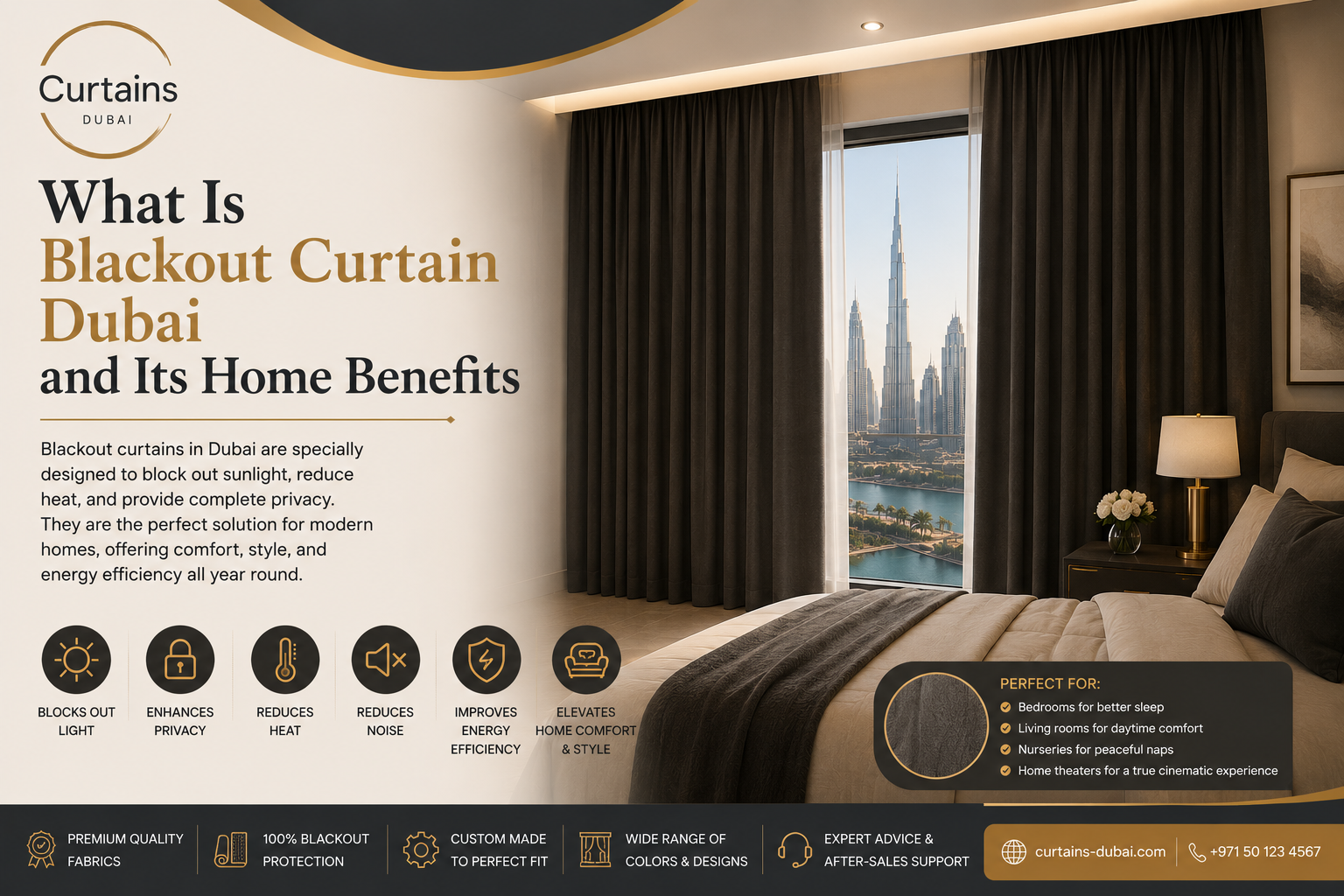
A what is black out curtain is designed to significantly reduce the amount of light entering a room. It is typically made with tightly woven or layered fabric that helps block sunlight and improve privacy. Blackout curtains are commonly used in bedrooms, nurseries, home cinemas, and other spaces where controlled lighting and reduced glare are important.
Are smart curtains suitable for modern home automation systems?
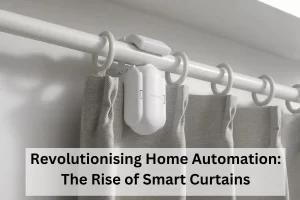
smart home automation curtains can be integrated with compatible home automation systems to simplify curtain control. Depending on the selected setup, they may be operated through a remote, smartphone app, or other connected controls. They are particularly useful for managing curtains in large rooms, high windows, or areas where manual operation is inconvenient.
What should I look for in a minimalist ready-made curtain?
When choosing a minimalist readymade curtain, focus on neutral colors, simple patterns, clean lines, and fabrics that complement the room without adding visual clutter. Accurate measurements are important for a balanced appearance. You should also consider the room’s privacy and light-control needs to select a practical option that fits the overall minimalist décor.
Do blackout curtains help reduce electricity usage in hot climates?
Yes, by reducing heat entering the room, blackout curtains help lower air conditioning demand, which can contribute to lower electricity consumption.
Are blackout curtains suitable for living rooms or only bedrooms?
They work well in living rooms, media rooms, offices, and bedrooms — especially in spaces where light control or glare reduction is needed.
How do blackout curtains help protect furniture from sun damage?
They block UV rays that cause fading, cracking, and material degradation in furniture, flooring, and wall finishes.
Can blackout curtains reduce outside noise levels effectively?
They help dampen noise but are not fully soundproof. However, thick multilayer fabrics can noticeably reduce outside sound penetration.
Are blackout curtains safe for children’s rooms?
Yes, especially when installed with secure mounting systems and cordless or safe-operating mechanisms.