
Curtain rails are an essential but often overlooked component of window treatments. While curtains themselves receive most of the attention for their design and fabric, the rail system is what ensures smooth operation, durability, and proper curtain positioning. Understanding how curtain rails function helps homeowners and interior planners make informed decisions about window covering systems.
In modern interior design, curtain rails play a functional and aesthetic role. They help manage light, enhance privacy, and improve the overall appearance of living spaces. Whether used in residential homes, offices, or commercial environments, selecting the right curtain rail system can significantly impact everyday usability and long-term performance.
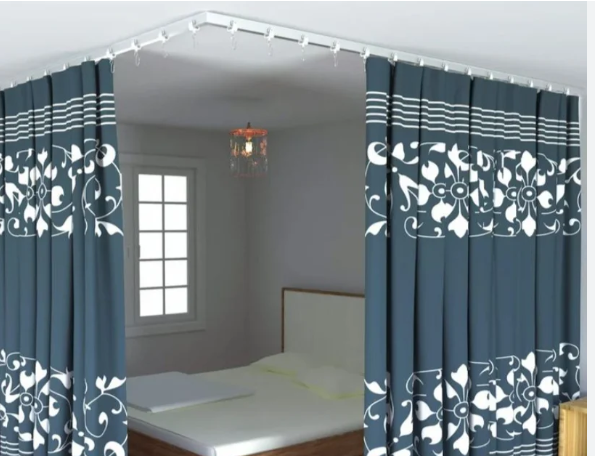
Understanding how curtain rails support different curtain weights and fabrics in modern interiors
Curtain rails are designed to hold curtains securely while allowing smooth opening and closing. Different curtain fabrics have different weights, and the rail must be strong enough to support them without bending or losing alignment.
Heavy fabrics like blackout or layered curtains require reinforced rails with strong brackets. Lightweight fabrics, such as sheer curtains, work well with standard aluminum or plastic rails. The right rail system prevents sagging and ensures curtains maintain their intended shape.
In many homes, selecting high-quality systems such as curtain rails dubai ensures compatibility with various curtain styles and weights while maintaining smooth daily operation.
Key factors influencing weight support include:
- Rail material thickness
- Bracket spacing and support structure
- Mounting surface strength
- Curtain length and layering
Differences between ceiling-mounted and wall-mounted curtain rail installation methods explained clearly
Curtain rails can be installed either on walls or ceilings depending on room design and window placement. Each installation method has its own benefits.
Wall-mounted rails are the most common and are suitable for standard windows. They are easy to install and maintain. Ceiling-mounted rails, however, are often used in modern interiors to create a floor-to-ceiling curtain effect, making rooms appear taller and more spacious.
Ceiling-mounted rails are also useful for:
- Large glass panels
- Sliding doors
- Room dividers
- Minimalist interior designs
Choosing between these options depends on structural conditions, aesthetic goals, and curtain weight.
How curtain rail materials impact durability, rust resistance, and long-term performance in humid climates
Material choice directly affects how long curtain rails last, especially in humid environments. Common materials include aluminum, steel, and high-grade plastic.
Aluminum rails are lightweight and naturally resistant to rust, making them ideal for humid regions. Steel rails offer maximum strength but may require protective coatings. Plastic rails are budget-friendly but may not support heavy curtains over time.
Environmental exposure considerations include:
- Humidity levels
- Temperature fluctuations
- Air conditioning exposure
- Proximity to kitchens or bathrooms
Selecting corrosion-resistant materials reduces maintenance and extends product lifespan.
Step-by-step explanation of how curtain rails improve curtain movement and daily usability inside homes
Curtain rails are designed with internal tracks that guide curtain gliders or rollers. This system ensures smooth movement and prevents fabric snagging.
Step-by-step movement process:
- Curtain hooks attach curtain fabric to rail gliders
- Gliders move along internal rail channels
- Rail structure keeps curtain aligned and balanced
- Stops prevent curtains from sliding off track ends
For natural interior aesthetics, many homeowners combine rail systems with materials like bamboo curtains, especially in spaces that require filtered sunlight and natural textures.
Smooth movement reduces daily wear on curtain fabric and ensures consistent operation over time.
Common mistakes people make when selecting curtain rails for residential or commercial environments
Many people focus only on curtain design while ignoring rail compatibility. This often leads to operational problems or early replacement.
Common mistakes include:
- Choosing rails without checking weight capacity
- Incorrect measurement before installation
- Ignoring mounting surface strength
- Using low-quality gliders or accessories
- Selecting rails not suited for climate conditions
Avoiding these mistakes ensures better performance and fewer maintenance issues.
Proper planning includes evaluating curtain size, room humidity, and daily usage frequency.
How to measure windows correctly before selecting the right curtain rail size and mounting position
Accurate measurement is critical for proper curtain rail performance. Even small measurement errors can cause installation challenges.
Measurement steps:
- Measure full window width
- Add extra width for curtain stacking space
- Measure height from mounting point to desired curtain end
- Identify bracket mounting positions
- Confirm clearance from furniture or walls
Using reliable accessories such as curtain hooks dubai helps maintain curtain positioning and ensures proper alignment along the rail system.
Correct measurements also improve light control and privacy.
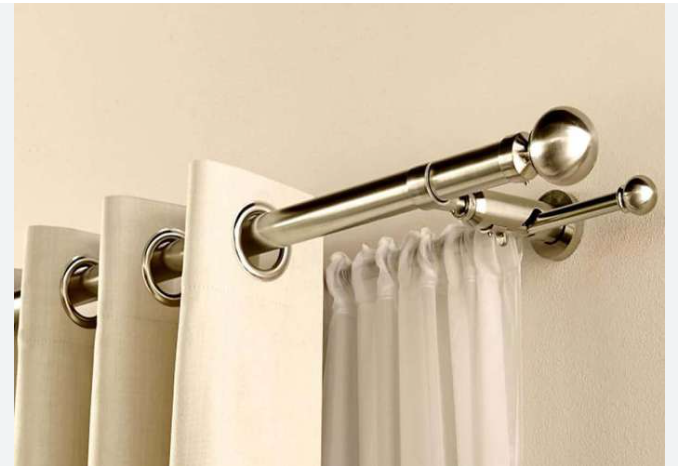
Maintenance practices that help curtain rails last longer without bending or mechanical failure
Regular maintenance helps prevent operational issues and extends rail lifespan. Curtain rails are exposed to dust, humidity, and daily friction.
Maintenance best practices:
- Clean rails with dry or slightly damp cloths
- Check brackets every few months
- Lubricate tracks if movement becomes rough
- Replace damaged gliders immediately
- Avoid overloading rails with heavy curtains
Signs that maintenance is needed include unusual noise, resistance during movement, or visible bending.
Consistent care ensures smooth operation for many years.
Conclusion
Curtain rails play a vital role in curtain performance, durability, and daily usability. From material selection to installation method and maintenance practices, each factor contributes to how well curtain systems function over time.
Understanding how curtain rails work helps homeowners and designers choose systems that match both functional needs and interior design goals. With proper planning and maintenance, curtain rails can provide long-term reliability and smooth operation in any environment.
FAQs
What is the difference between curtain rails and curtain rods?
Curtain rails use internal tracks with gliders for smooth movement, while rods typically use rings and are more decorative.
How do I know which curtain rail type fits my window style?
Consider window size, curtain weight, mounting surface, and desired visual appearance before choosing rail type.
Are curtain rails suitable for heavy blackout curtains?
Yes, but only if the rail material and brackets are designed to support heavy curtain weight.
Can curtain rails be installed on ceilings and drywall safely?
Yes, if proper anchors and installation techniques are used for the specific surface type.
How often should curtain rails be cleaned or maintained?
Light cleaning every few months and inspection of brackets and gliders at least twice a year is recommended.