Living in Dubai often means dealing with intense sunlight, high temperatures, and busy urban surroundings. Window treatments play a crucial role in managing indoor comfort, privacy, and lighting. Among various options, light-blocking window fabrics have become especially important for homes, apartments, and offices that require controlled lighting environments.
These specialized curtains are designed to minimize external light penetration while helping maintain indoor temperature stability. Beyond basic functionality, they also contribute to better sleep quality, enhanced energy efficiency, and improved interior ambiance. Understanding how these window solutions work can help homeowners and renters make more informed decisions when selecting interior furnishing elements.
How light blocking window treatments improve sleep quality
Sleep quality is strongly influenced by environmental lighting. Even small amounts of external light can interrupt melatonin production, making it harder to fall asleep or stay asleep.
Light-blocking window coverings help by:
- Creating near-total darkness even during daytime
- Reducing glare from street lights and passing vehicles
- Supporting shift workers who sleep during daylight hours
- Improving sleep routines for children and light-sensitive sleepers
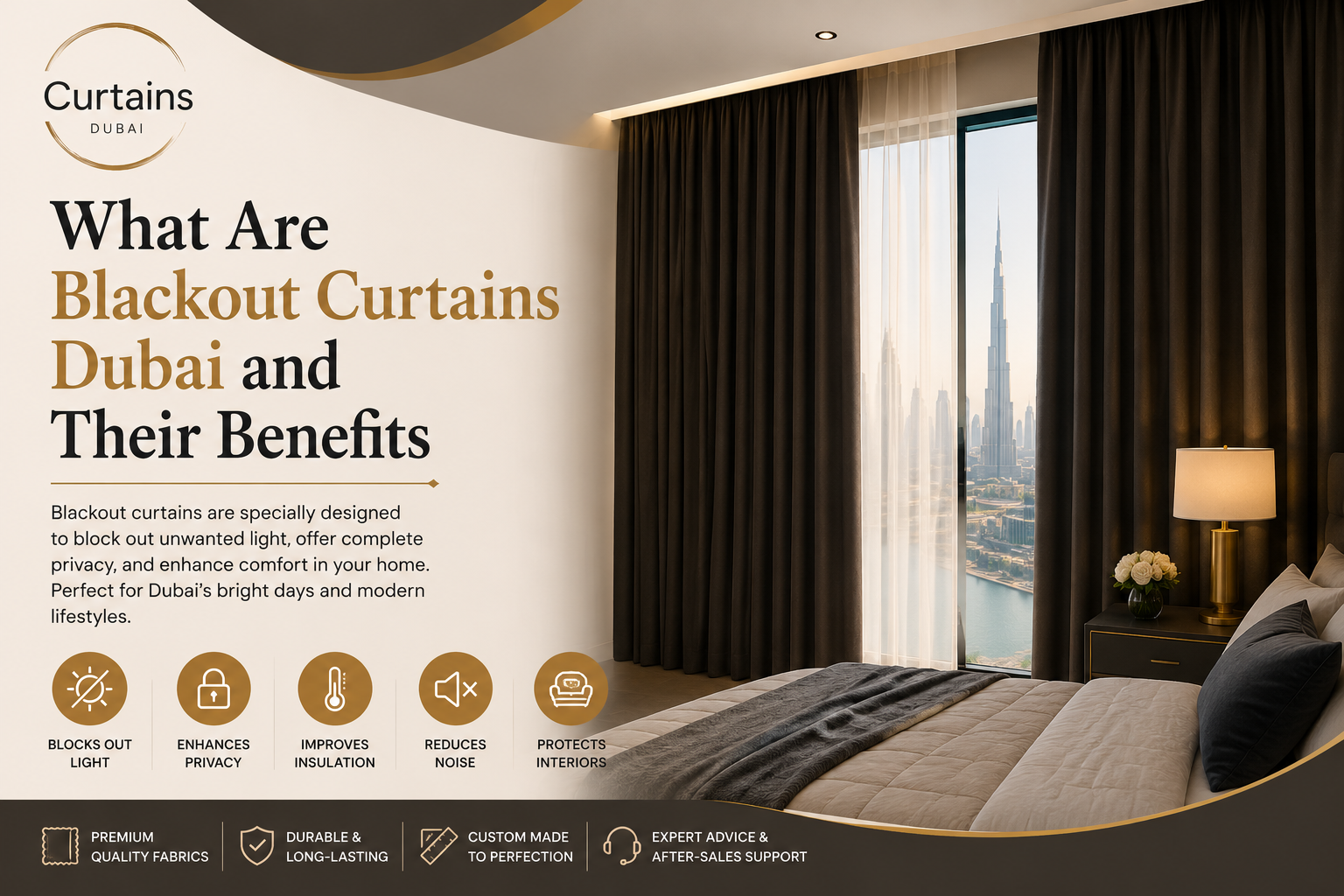
Many urban residents prefer installing blackout curtains dubai in bedrooms because they help simulate nighttime conditions regardless of external lighting. This can be especially helpful in high-rise areas where city lighting remains constant overnight.
Consistent darkness can improve deep sleep cycles, helping the body recover and recharge more effectively.
Why temperature control fabrics are useful in hot climates
Hot climates create continuous indoor cooling challenges. Window coverings act as an insulation barrier between interior spaces and outdoor heat.
Benefits include:
- Reducing solar heat gain through windows
- Lowering indoor cooling demand
- Helping air conditioning systems work more efficiently
- Stabilizing room temperature during peak heat hours
Thicker, multi-layer fabrics prevent heat transfer by trapping air between layers. This insulation effect can make a noticeable difference in rooms that receive direct afternoon sun.
In regions with extreme summer heat, selecting proper fabric density becomes just as important as selecting color or style.
The science behind reducing outside noise using thick fabrics
Noise reduction is often an overlooked benefit of dense window fabrics. While not fully soundproof, they significantly reduce sound transmission.
Thick textile layers help by:
- Absorbing high-frequency sound waves
- Reducing echo inside rooms
- Softening street noise, traffic sounds, and construction disturbances
- Improving acoustic comfort for home offices and media rooms
Heavier materials typically perform better than lightweight decorative fabrics. Layered designs also enhance sound dampening performance.
This is particularly helpful for homes located near highways, entertainment districts, or busy commercial streets.
How privacy-focused window solutions protect indoor spaces
Privacy is essential for residential comfort. Proper window coverings create a visual barrier without sacrificing interior aesthetics.
Privacy benefits include:
- Preventing visibility from neighboring buildings
- Protecting personal belongings from external view
- Enhancing security perception
- Allowing comfortable indoor lighting at night
Many residents exploring different curtains in dubai focus on balancing privacy and natural light. Some prefer layered setups that allow daylight filtering during the day and full coverage at night.
Privacy window solutions are especially valuable in dense urban environments where buildings are closely spaced.
Differences between layered window coverings and standard drapes
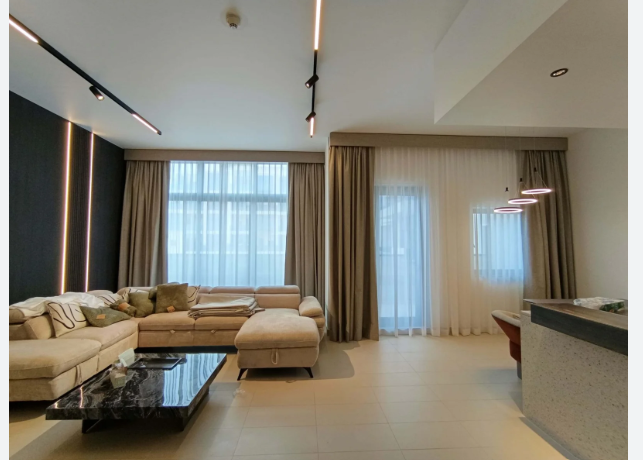
Layered window systems combine multiple fabric types to provide flexible functionality. Standard drapes typically serve a single purpose, such as decoration or basic light filtering.
Layered systems often include:
- Sheer inner layer for daylight filtering
- Dense outer layer for darkness and insulation
- Adjustable configurations for different times of day
Advantages of layered designs:
- Greater lighting control
- Improved thermal insulation
- Enhanced decorative depth
- Increased acoustic dampening
Standard single-layer drapes may be easier to maintain, but layered solutions offer greater environmental control and adaptability.
How fabric density and lining materials affect room darkness
Not all dark fabrics block light equally. Performance depends on fabric weave, thickness, and lining structure.
Important factors include:
- Weave tightness – Tighter weaves block more light
- Fabric thickness – Thicker materials absorb more light energy
- Foam or rubber backing – Enhances light-blocking performance
- Multi-layer construction – Improves insulation and darkness
Room-facing lining colors can also influence interior brightness perception. Lighter linings reflect internal light while darker linings absorb it.
Understanding these technical factors helps explain why visually similar curtains can perform very differently.
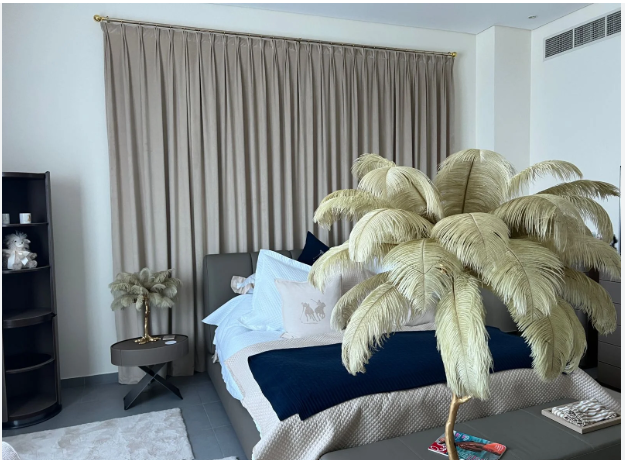
Common interior design styles compatible with darkening fabrics
Modern window solutions are available in styles that match various interior design themes. Function no longer requires sacrificing aesthetics.
Popular compatible styles include:
- Minimalist neutral interiors
- Contemporary glass-heavy architecture
- Luxury hotel-inspired bedrooms
- Scandinavian-style soft fabric layering
- Modern track-based folding systems
Many interior designers combine darkening fabrics with modern track-based systems like wave curtains because they create smooth, uniform folds. This allows functional fabrics to blend seamlessly into modern interior layouts.
Design compatibility ensures window solutions enhance rather than disrupt overall room styling.
Conclusion
Light-blocking window treatments offer far more than simple light reduction. They support better sleep quality, improve temperature control, reduce external noise, and enhance indoor privacy. Advances in fabric technology and design integration now allow homeowners to combine function with visual appeal.
Understanding how material density, layering, and installation style influence performance helps create indoor environments that feel comfortable, secure, and visually balanced. As urban living continues to evolve, functional window solutions are becoming essential elements of modern interior planning.
FAQs
Do blackout window coverings help with daytime sleeping?
Yes. They create dark environments that support natural sleep hormone production even during bright daylight hours.
Are light blocking fabrics suitable for all room types?
They are most commonly used in bedrooms, media rooms, and nurseries but can also work in living rooms depending on lighting needs.
How do these coverings affect indoor temperature stability?
They reduce heat transfer through windows, helping maintain cooler indoor temperatures during hot weather.
Can these fabrics help reduce outside noise effectively?
They help reduce noise levels but do not fully soundproof rooms. Performance depends on thickness and layering.
What materials are commonly used in light blocking curtains?
Polyester blends, triple-weave fabrics, and foam-backed textiles are commonly used for light-blocking performance.
Are these window solutions suitable for rental homes?
Yes. Many options can be installed using removable rods or track systems without permanent structural changes.