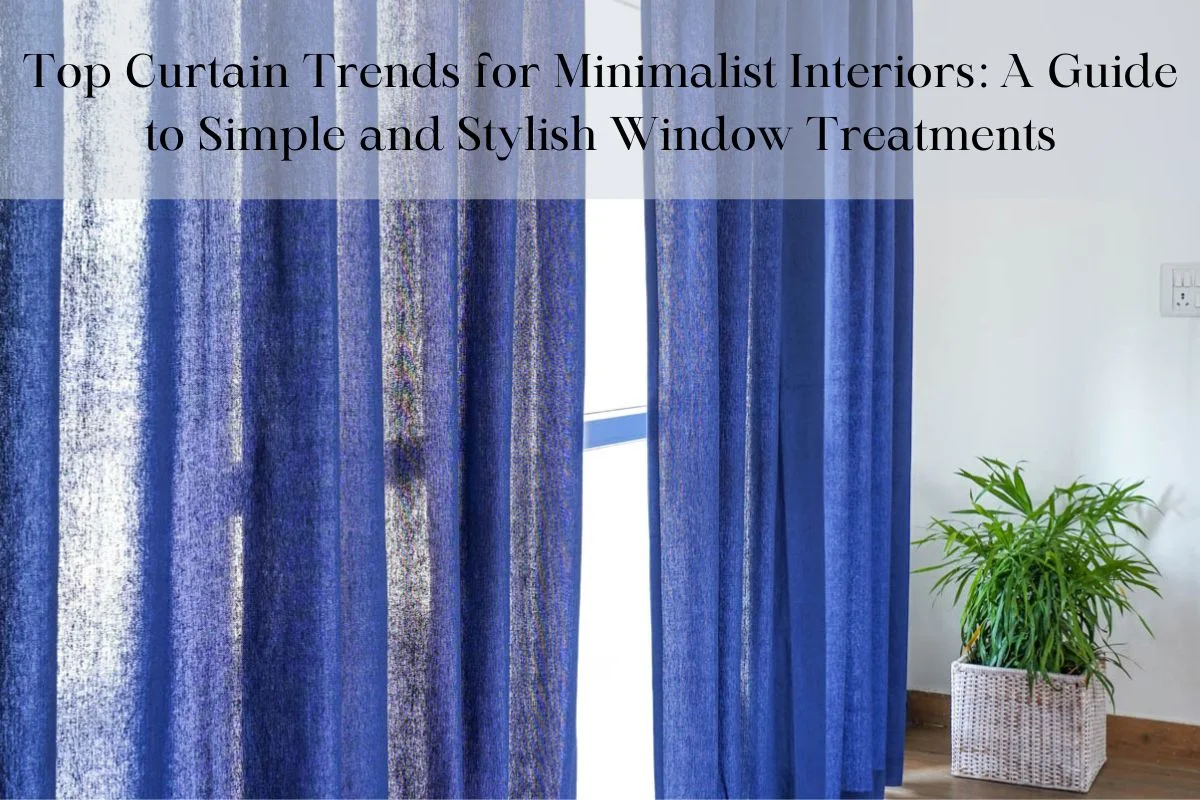
Minimalist interiors are all about simplicity, functionality, and elegance. When it comes to window treatments, choosing the right curtains can significantly enhance the overall design of the space. Gone are the days of heavy, intricate drapery. Today, minimalist curtain trends focus on clean lines, neutral tones, and practical functionality, ensuring the window treatments complement the serene, uncluttered vibe of minimalist spaces. In this blog, we’ll explore the top curtain trends for minimalist interiors, from soft color palettes to cutting-edge technology, so you can achieve a stylish and serene environment that balances beauty and utility.
Neutral-Tone Curtains for a Minimalist Interior
Neutral tones remain one of the most effective choices for minimalist curtains, particularly shades such as white, beige, light grey, and muted natural tones. A simple curtain style with a restrained color palette can soften the room without competing with furniture, flooring, or architectural details. For Dubai interiors, the fabric should also be selected according to the amount of sunlight, privacy required, and desired level of light diffusion. Lightweight linen-look fabrics can create a relaxed appearance, while sheer curtains provide a softer layer of daylight and privacy. For a more tailored result, custom curtains allow the color, fabric, dimensions, and finish to be matched more precisely to the minimalist space.
Floor-to-Ceiling Curtains for Clean, Minimalist Lines
Floor-to-ceiling curtains complement a minimalist interior by creating long, uninterrupted vertical lines from the window toward the ceiling. Mounting the track or rod higher than the window can create a more cohesive appearance, while the correct width and drop help the fabric hang evenly without excessive visual clutter. The choice between sheer, semi-opaque, and heavier fabrics should depend on the room’s privacy and light-control requirements rather than appearance alone. In Dubai homes, layering a light-filtering curtain with a more opaque treatment can provide greater flexibility throughout the day. For large or difficult-to-reach windows, motorized curtains can maintain the clean appearance of a minimalist room while simplifying daily operation.
Sheer Curtains: Softening Natural Light
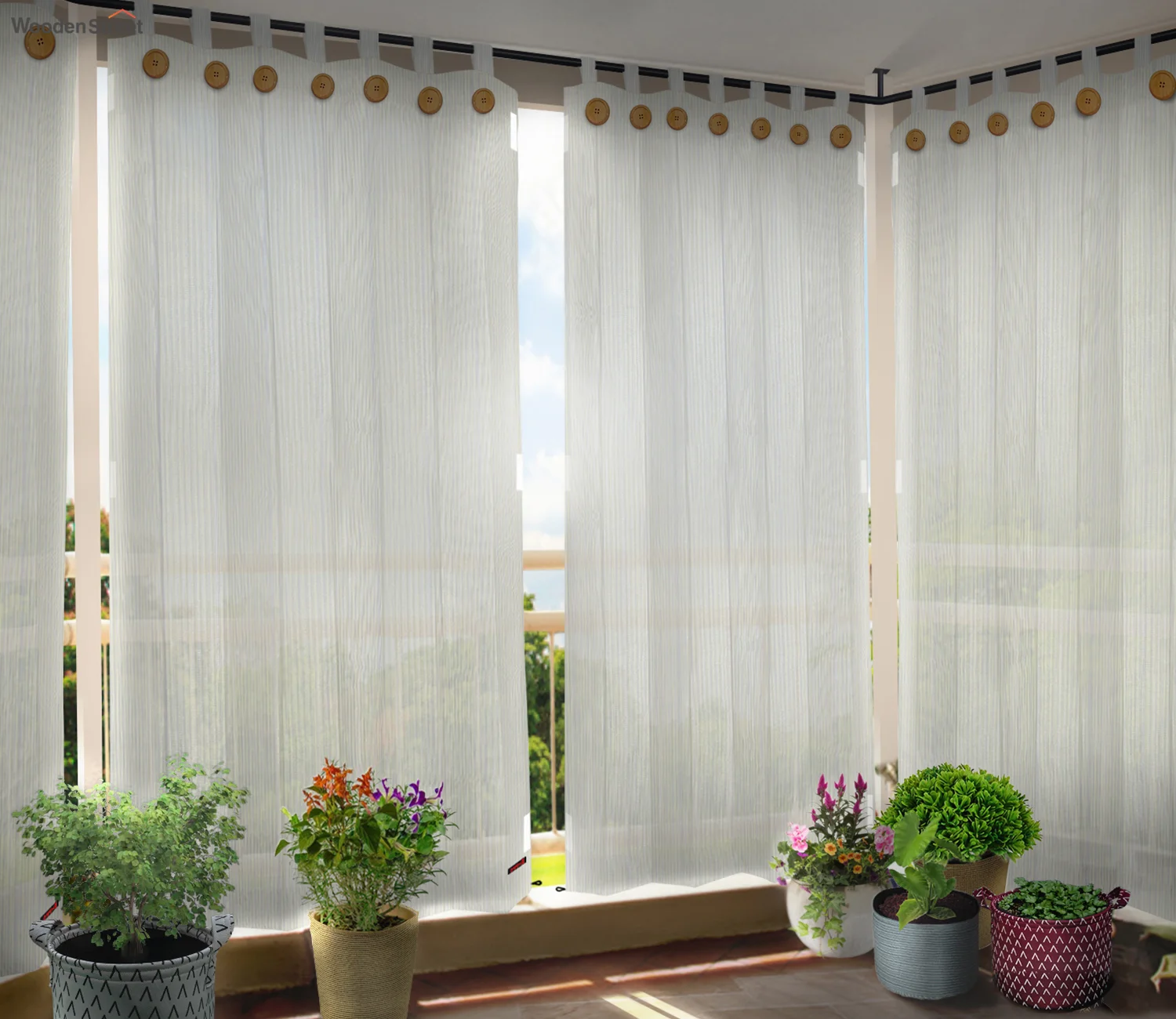
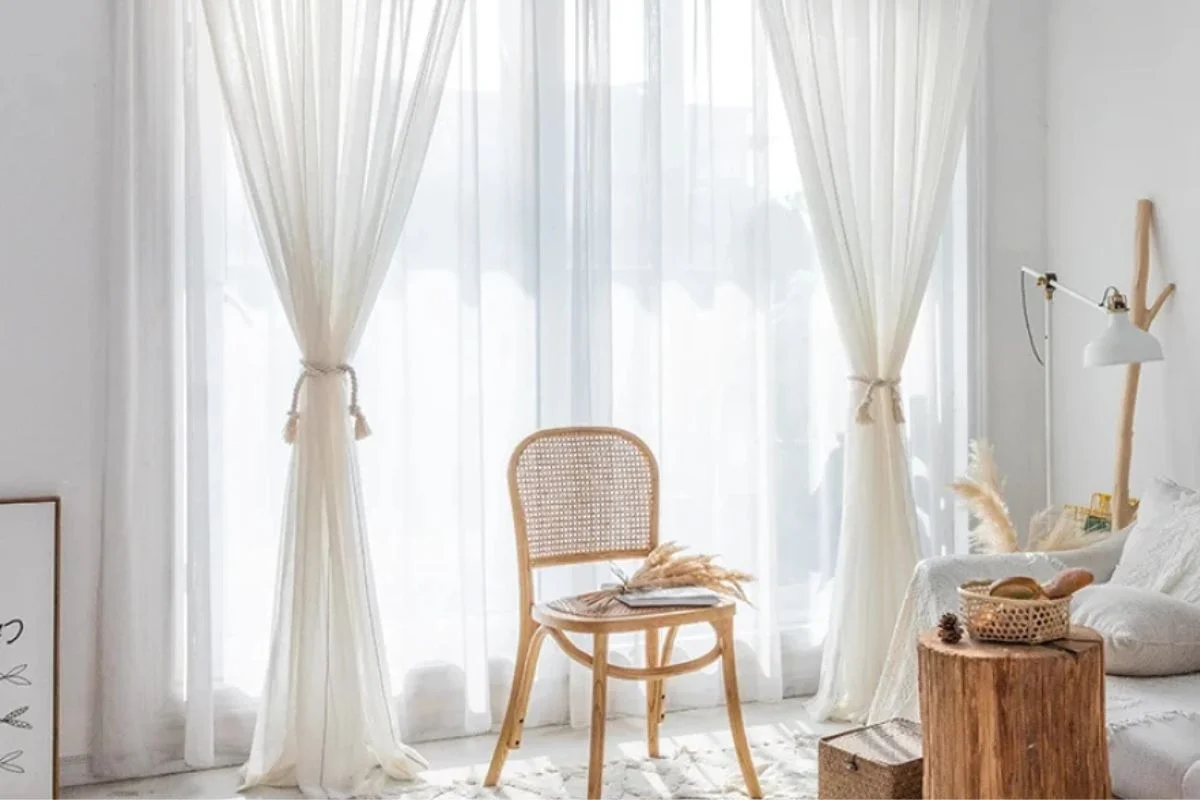
Sheer curtains are an excellent option for minimalist interiors that aim to maintain an open, airy feel while controlling the flow of natural light. These lightweight, transparent fabrics allow sunlight to filter through gently, creating a soft, diffused glow throughout the room. Sheer curtains also offer privacy without blocking views, making them ideal for spaces that benefit from natural light but still require some degree of seclusion. Their delicate texture adds a subtle layer of sophistication to the room, enhancing the minimalist vibe without overwhelming the space. Sheer curtains work beautifully when paired with other window treatments, such as heavier drapes or blinds, for a layered yet unobtrusive look. They’re perfect for living rooms, bedrooms, or spaces where the connection to the outdoors is important, offering a functional solution while maintaining a serene atmosphere.
Simple, Clean Lines: The Appeal of Straightforward Designs
When it comes to minimalist design, simplicity is key. Curtains with clean, straight lines embody this philosophy perfectly. These curtains forgo elaborate patterns, frills, and excess details, focusing on function and form. The straight, sleek lines create a sense of order and balance within the room, complementing the overall design without drawing attention away from the more prominent features of the space. Plain, solid-colored curtains or those with subtle textures offer an understated elegance that enhances the minimalist aesthetic. This straightforward design approach creates a sense of calm and harmony, which is central to the minimalist philosophy. Whether you opt for an unadorned, solid curtain or a curtain with very slight texture, the beauty lies in its simplicity, ensuring that your window treatments seamlessly integrate into your home’s overall design.
Natural Materials: Sustainability Meets Style
Natural materials like linen, cotton, and bamboo are a perfect match for minimalist interiors, blending sustainability with timeless design. These fabrics not only align with the clean, simple aesthetic but also offer an eco-friendly choice for homeowners who want to reduce their carbon footprint. Linen, with its airy texture and relaxed appearance, adds a soft, natural touch to the room, while cotton brings durability and breathability. Bamboo, an increasingly popular choice, offers a unique, eco-conscious option that’s both stylish and functional. These materials have a light, breathable quality, allowing for natural light to filter in without making the room feel heavy. They also age beautifully, gaining character over time. By choosing natural fabrics for your curtains, you’re making an environmentally conscious decision while enhancing the overall style and comfort of your minimalist space.
Automated and Motorized Curtains: Modern Convenience
Automated and motorized curtains are becoming a popular trend in minimalist homes, offering a modern, sophisticated solution that aligns with the minimalist desire for convenience and simplicity. These high-tech curtains can be controlled with a remote, smartphone, or even voice command, providing a seamless, hands-free experience. Not only do motorized curtains eliminate the need for cords or manual operation, but they also enhance the aesthetic of the space by reducing clutter. Their sleek, streamlined design complements minimalist interiors by focusing on function without the distraction of unnecessary hardware. Motorized curtains offer the added benefit of energy efficiency, as they can be programmed to open and close at specific times, optimizing natural light and improving temperature control in the room. For a minimalist home that values both design and convenience, automated curtains are the perfect choice.
Statement Hardware: Subtle Yet Sophisticated
In minimalist interiors, the curtain hardware plays a significant role in enhancing the overall design while maintaining a subtle, sophisticated look. Simple, sleek rods and discreet brackets or hooks provide an elegant frame for your curtains without overpowering the space. Opt for minimalist hardware in materials like matte black, brushed nickel, or wood to keep the look refined and seamless. Statement hardware should complement the curtains, not compete with them. A slim curtain rod or a modern, unobtrusive track system creates a clean, polished finish that ties the entire window treatment together. These elements serve as functional accents while contributing to the minimalist design, adding just the right amount of sophistication. By choosing refined hardware, you ensure that your window treatments not only look stylish but also enhance the serenity and simplicity of your space.
Layering with Simplicity: Combining Texture Without Clutter
Layering curtains is a great way to add depth and interest to a minimalist space without creating visual clutter. The key is to keep the layering simple and functional, focusing on texture rather than bold patterns or excessive fabric. Pairing sheer curtains with heavier drapes, for example, allows you to control light while still maintaining an open feel in the room. The texture of the fabrics adds richness to the space without overwhelming the design. This subtle layering technique ensures that your window treatments serve both practical and aesthetic purposes, enhancing the minimalist style by creating a balanced, harmonious look. You can experiment with different textures—such as soft linen and thick cotton—without straying from the clean, uncluttered vibe that defines minimalist interiors. Layering adds versatility and sophistication, making it a perfect solution for those seeking a stylish, minimalist space.
Geometric and Subtle Patterns: Adding Interest Without Distraction
In a minimalist space, patterns should be kept subtle and understated to avoid overwhelming the serene atmosphere. Geometric patterns, like fine stripes or delicate chevrons, can add visual interest to curtains while maintaining the minimalist aesthetic. These patterns are simple, modern, and timeless, providing a sense of structure and rhythm without becoming the focal point of the room. The key is to keep the patterns subtle—nothing too bold or distracting—that will draw attention away from the overall design. These minimalist patterns work particularly well in neutral tones, allowing them to blend seamlessly into the space while still providing a touch of personality and texture. Whether you opt for a faint geometric design or a simple, woven texture, subtle patterns allow for a sophisticated yet quiet statement that enhances the minimalist atmosphere.
Functional Curtain Styles for Minimalist Interiors
Minimalist curtains should balance appearance with the practical requirements of each room. Instead of choosing a design based only on its visual simplicity, consider privacy, daylight control, insulation, fabric maintenance, and how frequently the curtains will be operated. Bedrooms may benefit from more opaque fabrics, while living areas can use lighter materials when natural daylight is preferred. Where a tailored appearance is important, made-to-measure curtains can provide cleaner coverage around the window, while linen curtains offer a naturally textured option that works well with understated interiors. The best minimalist curtain style is therefore one that performs its required function while remaining visually quiet and easy to maintain.
Conclusion:
In minimalist interiors, window treatments play a vital role in achieving a balanced, serene, and functional space. The latest curtain trends emphasize simplicity, neutral tones, and clever designs that align with the minimalist ethos. From sheer curtains and floor-to-ceiling drapes to sustainable natural fabrics and automated systems, these window treatments elevate a room’s style without overwhelming it. By choosing curtains that are both functional and stylish, you can create an elegant space that reflects modern living while maintaining the calm and organized atmosphere that defines minimalist interiors.
FREQUENTLY ASKED QUESTIONS
Q: What are the best curtains for a minimalist interior?
A: Simple curtains in neutral colors, clean silhouettes, subtle textures, and minimal decorative details are generally the best fit. The fabric should also suit the room’s privacy and light-control needs.
Q: What colors work best with minimalist curtains?
A: White, off-white, beige, taupe, light grey, and other muted tones work well because they complement minimalist interiors without becoming a dominant visual element.
Q: What are the different types of curtain tracks available?
The main types of curtain tracks include standard straight tracks, flexible tracks for curved windows, ceiling-mounted systems, and tracks designed for heavier curtains. Motorized options are also available for convenient operation. The right choice depends on your window shape, curtain weight, mounting position, available space, and preferred method of opening and closing.
Q: Are sheer curtains suitable for minimalist interiors?
A: Yes. Sheer curtains provide soft daylight and a light visual appearance, making them particularly suitable for minimalist living rooms and other spaces where maintaining brightness is important.
Q:What curtains are suitable for large glass walls?
A:curtains for glass walls should provide practical light control, privacy, and smooth operation across wide areas. Ceiling-mounted tracks can create a clean appearance and allow curtains to span large openings effectively. Consider lightweight fabrics for a softer look or blackout materials when stronger light reduction is needed. Accurate measurements and suitable hardware are essential for proper installation.
Q: Are floor-to-ceiling curtains a good minimalist curtain style?
A: Yes. Their continuous vertical lines create a clean appearance and can make the window treatment feel more integrated with the architecture.
Q: Should minimalist curtains be plain or patterned?
A: Plain fabrics are usually the safest choice, but subtle stripes, woven textures, or very restrained geometric patterns can add interest without disrupting the minimalist look.
Q: Are linen curtains suitable for minimalist homes?
A: Yes. Linen and linen-blend fabrics can complement minimalist interiors through their natural texture and understated appearance. The fabric should still be selected according to required privacy and light control.
Q: What curtains are best for a minimalist bedroom?
A: The best option depends on the desired darkness and privacy. More opaque curtains can be useful for bedrooms, while layered curtains can provide flexible control over daylight and privacy.
Q: Are motorized curtains suitable for minimalist interiors?
A: Yes. Motorized systems can reduce visible hardware and provide convenient control, particularly for large windows or hard-to-reach openings.
Q: How do I choose the right curtain style for a minimalist room?
A: Consider the room’s natural light, privacy requirements, window size, ceiling height, furniture, fabric texture, and maintenance needs before choosing the curtain style.
Q: Can minimalist curtains be custom-made?
A: Yes. Custom-made curtains can be produced to suit specific window dimensions, fabric preferences, colors, and installation requirements, which can help achieve a cleaner overall appearance.