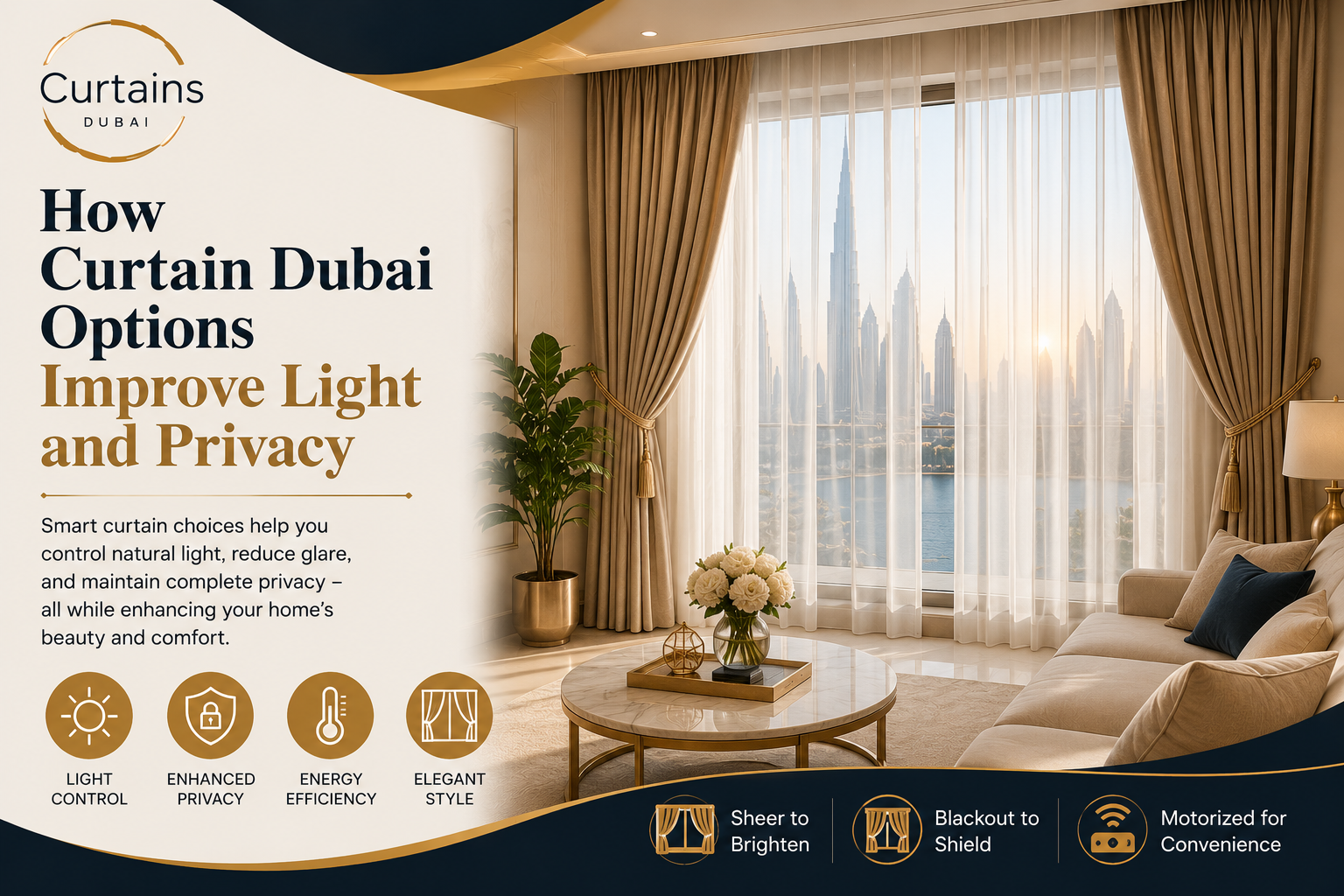
Window coverings have become essential components of modern interior environments, helping regulate light exposure, enhance privacy, and improve overall comfort. Curtains and blinds are no longer viewed as simple decorative additions; instead, they function as environmental control tools that help manage sunlight, temperature, and visual atmosphere throughout the day.
In rapidly developing urban environments such as Dubai, managing indoor light and privacy is especially important due to strong sunlight intensity and dense residential layouts. Understanding how different curtain types work allows homeowners and residents to create balanced indoor spaces that remain comfortable, functional, and visually appealing across different seasons and daily routines.
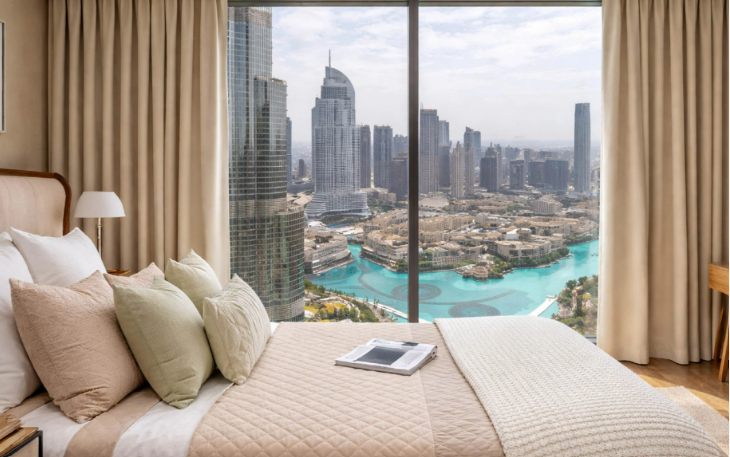
Understanding how curtain selection impacts natural lighting balance in living spaces
Natural lighting directly affects mood, productivity, and overall indoor comfort. Curtain selection determines how sunlight enters and spreads across interior surfaces. The right curtain system allows daylight to illuminate rooms without creating glare or excessive heat buildup.
Light balance depends on several curtain characteristics:
- Fabric transparency level
- Curtain color and thickness
- Installation height and width
- Layering capability
In many residential setups, homeowners research different curtain dubai solutions to understand how fabric density and layering options affect natural lighting distribution across living rooms and shared spaces.
Effective lighting balance helps:
- Reduce eye strain from harsh sunlight
- Protect furniture and flooring from UV exposure
- Improve daytime comfort without artificial lighting
Curtains also help soften natural light, creating a more relaxing indoor environment.
How blackout curtain technology blocks sunlight and protects indoor furnishings
Blackout curtain technology uses tightly woven fabrics combined with special backing layers that prevent light penetration. These curtains are widely used in bedrooms, media rooms, and spaces where full darkness is sometimes required.
The effectiveness of blackout curtains comes from:
- Multi-layer fabric construction
- Light-absorbing inner coatings
- Thick outer fabric surfaces
Many households consider blackout curtains when trying to reduce sunlight exposure during peak daylight hours or improve sleep conditions.
Key benefits include:
- Protection of furniture and flooring from fading
- Improved sleep quality by eliminating outside light
- Enhanced indoor temperature control
- Reduced glare on digital screens
Blackout technology has improved significantly, allowing modern blackout curtains to remain breathable while still blocking light effectively.
Differences between fabric curtains and window blinds for functional home design
Curtains and blinds both serve light control functions but differ in operation, design flexibility, and coverage capability.
Fabric Curtains
Advantages
- Softer visual appearance
- Better sound absorption
- More insulation against heat
Limitations
- Require more cleaning maintenance
- May occupy more space around windows
Window Blinds
Advantages
- Precise light angle control
- Compact and minimal design
- Easy cleaning and maintenance
Limitations
- Lower insulation performance
- Less decorative impact
Some homeowners evaluate blinds dubai options when seeking adjustable light control without heavy fabric installations.
Choosing between curtains and blinds depends on room function, design goals, and maintenance preferences.
How window coverings influence sleep quality and daily comfort inside bedrooms
Bedroom environments require careful light management because exposure to light affects sleep cycles and overall rest quality. Curtains play a critical role in maintaining consistent darkness when needed.
Sleep-supporting curtain features include:
- Full window coverage
- Light-blocking side seals
- Noise absorption from thick fabrics
Curtains also help regulate temperature overnight, reducing the need for excessive cooling or heating adjustments.
For improved sleep environments, experts often recommend:
- Layered curtain systems
- Blackout lining for bedrooms
- Neutral color tones to support relaxation
Consistent sleep environments help improve daily productivity and energy levels.
The science behind light filtering fabrics and their effect on indoor atmosphere
Light filtering fabrics are engineered to diffuse sunlight rather than block it completely. These fabrics create soft illumination while preventing harsh direct rays from entering rooms.
Light filtering technology works by:
- Breaking light into scattered patterns
- Reducing glare intensity
- Maintaining natural brightness levels
Common light filtering materials include:
- Sheer polyester blends
- Linen-based fabrics
- Micro-weave synthetic materials
These materials are commonly used in living rooms, kitchens, and office spaces where full darkness is unnecessary.
Light filtering curtains create:
- Warmer interior ambiance
- Reduced screen glare
- Balanced visual brightness
They also help maintain outside visibility during daylight hours while limiting interior visibility from outside.
How proper curtain installation improves insulation and energy efficiency results
Installation quality affects how well curtains perform as insulation barriers. Even high-quality fabrics can underperform if installation leaves gaps around windows.
Proper installation techniques include:
- Mounting curtains close to ceiling height
- Extending curtain rods beyond window edges
- Using floor-length curtain panels
Insulation improvements from correct installation:
- Reduced heat entry through window edges
- Improved air sealing near glass surfaces
- Lower indoor temperature fluctuations
Curtains can significantly contribute to energy efficiency when properly installed and combined with insulated window glass systems.
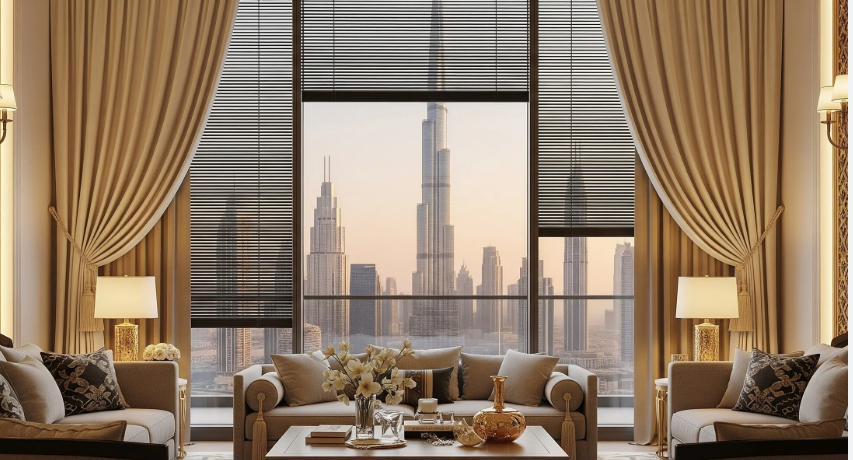
Understanding how curtain colors influence perceived room size and brightness
Curtain color impacts how people perceive room size and brightness. Lighter colors tend to reflect light, while darker colors absorb it.
Light Curtain Colors
Benefits:
- Make rooms appear larger
- Reflect natural light effectively
- Create open and airy interior feel
Dark Curtain Colors
Benefits:
- Increase privacy
- Enhance light blocking
- Create cozy room atmosphere
Neutral tones such as beige, gray, and soft white remain popular because they balance brightness and design versatility.
Color selection should consider:
- Wall paint color
- Flooring tone
- Furniture color palette
Balanced color coordination ensures curtains enhance interior aesthetics rather than overpower them.
Conclusion
Curtains and window coverings serve multiple essential functions in modern homes. They control light exposure, support privacy, enhance interior comfort, and contribute to energy efficiency. By understanding fabric technology, installation methods, light filtering science, and color psychology, homeowners can create indoor environments that support daily comfort and long-term interior durability. Choosing the right curtain solution ultimately depends on room purpose, environmental conditions, and personal comfort preferences.
FAQs
What is the main purpose of blackout curtains in bedrooms?
They block outside light completely, helping maintain darkness that supports better sleep quality and reduces sunlight disturbance.
How do curtains differ from window blinds in functionality?
Curtains provide better insulation and decorative flexibility, while blinds offer precise light direction control and easier maintenance.
Can curtains help protect furniture from sun damage?
Yes, curtains reduce UV exposure, which helps prevent fading and material deterioration in furniture and flooring.
What curtain types are best for living rooms and common areas?
Light filtering or layered curtain systems usually work best because they maintain brightness while controlling glare and privacy.
How do window coverings affect room temperature control?
Curtains help block heat from entering during the day and reduce heat loss at night, improving overall indoor temperature stability.