Dubai’s unique climate presents a real challenge when it comes to choosing the right curtain fabrics. With year-round intense sunlight, high temperatures, and occasional humidity, not all materials can maintain their beauty and durability over time. Many homeowners in the UAE struggle with curtains that fade quickly, lose their texture, or even develop mold and wear due to environmental exposure.
This is why selecting the best curtain fabrics that won’t fade or rot in Dubai’s climate is essential for both style and long-term performance. In this guide, we explore fabric options that combine elegance with resilience, focusing on materials engineered or naturally suited to withstand harsh UV rays and humidity. Whether you are designing a luxury villa or a modern apartment, the right fabric choice can make a significant difference in maintaining a fresh, stylish, and long-lasting interior look.
Why Polyester Outperforms Cotton in UAE Humidity and Sun
Polyester has become one of the most popular curtain fabrics in the UAE because it performs exceptionally well under challenging environmental conditions. Unlike cotton, which readily absorbs moisture and can be affected by humidity fluctuations, polyester maintains its shape and dimensional stability more effectively.
This resistance to stretching, shrinking, and wrinkling makes it particularly suitable for Dubai homes with large windows and constant air-conditioning use. Polyester also offers superior resistance to ultraviolet radiation, helping it retain its color and structural integrity for longer periods when exposed to intense sunlight.
Cotton curtains, while attractive and breathable, may fade more quickly and require more frequent maintenance. Additionally, polyester generally dries faster after cleaning and is less prone to developing moisture-related issues. These practical advantages make polyester a preferred choice for homeowners seeking durable, low-maintenance window treatments capable of withstanding the UAE’s demanding climate.
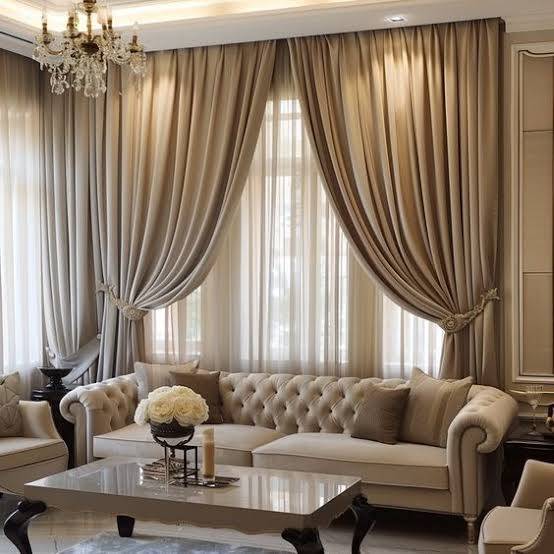
The Truth About Linen Curtains: Beautiful but High-Maintenance in Dubai
Linen curtains are admired for their natural texture, relaxed elegance, and timeless appeal. They create a sophisticated atmosphere that complements both contemporary and traditional interiors. However, maintaining linen curtains in Dubai can be more demanding than many homeowners anticipate.
Linen fibers naturally wrinkle, and prolonged exposure to sunlight can gradually weaken the fabric over time. Large windows that receive intense daily sunlight may accelerate fading and wear, particularly if the curtains are not lined or protected. Linen can also react to humidity changes, occasionally affecting how the fabric hangs.
Regular care is often required to preserve its appearance and prevent excessive creasing. Despite these maintenance considerations, many homeowners continue to choose linen because of its distinctive aesthetic qualities and luxurious character. Understanding both the advantages and upkeep requirements allows buyers to determine whether linen aligns with their lifestyle and long-term expectations.
How Acrylic-Blend Fabrics Offer the Best UV Resistance for Palm Jumeirah
Homes on Palm Jumeirah are frequently exposed to strong sunlight throughout the year, making ultraviolet resistance a critical factor when selecting curtain fabrics. Acrylic-blend textiles are often favored because they offer excellent resistance to fading and sun-related deterioration.
These fabrics are engineered to withstand prolonged UV exposure while maintaining color vibrancy and structural stability. Compared to many natural fibers, acrylic blends are less likely to become brittle, weaken, or lose their appearance after years of sunlight exposure.
Their durability makes them particularly suitable for waterfront properties with expansive windows and uninterrupted sun exposure. In addition to UV performance, acrylic-blend fabrics often provide good color retention, easy maintenance, and long-term durability.
Homeowners seeking window treatments that combine visual appeal with resilience frequently consider acrylic blends a practical solution for protecting interiors while preserving the beauty of their curtain fabrics.
Why Solution-Dyed Fabrics Never Fade Compared to Printed Curtains
The method used to color a fabric can significantly affect its long-term performance. Solution-dyed fabrics are manufactured by adding color pigments directly into the fibers before they are formed, allowing the color to penetrate throughout the entire material.
This differs from printed fabrics, where color is applied primarily to the surface after production. Because the color exists within the fiber itself, solution-dyed fabrics generally offer superior resistance to fading caused by sunlight, cleaning, and daily wear. This characteristic is particularly valuable in Dubai, where intense UV exposure can quickly affect surface-printed textiles.
Even after years of sunlight exposure, solution-dyed materials often maintain their original appearance more effectively than many conventional alternatives. Homeowners investing in premium window treatments frequently prioritize solution-dyed fabrics because they provide lasting color performance and help preserve the visual quality of interior spaces over the long term.
The Mold Resistance Ranking: Polyester vs Cotton vs Linen vs Silk
Fabric selection can influence resistance to mold and moisture-related problems, particularly in environments where humidity levels fluctuate. Polyester generally ranks among the most mold-resistant curtain materials because it absorbs very little moisture and dries quickly. Linen performs moderately well but can retain more moisture than synthetic alternatives under certain conditions.
Cotton tends to absorb moisture more readily, making it more susceptible to mold growth if ventilation is inadequate or cleaning schedules are neglected. Silk, while luxurious and visually appealing, is often considered one of the more delicate options and requires careful environmental control to maintain its condition.
Proper ventilation, regular cleaning, and moisture management remain important regardless of fabric choice. However, homeowners seeking the lowest-maintenance solution often gravitate toward synthetic materials such as polyester because of their durability and resistance to common environmental challenges associated with moisture and humidity.
How Fabric Weight Affects Heat Rejection in Downtown Dubai Apartments
Curtain fabric weight plays a significant role in determining how effectively window treatments manage solar heat gain. Heavier fabrics generally provide greater insulation because they create a more substantial barrier between the window and the interior space. This additional density can help reduce the amount of heat entering the room, particularly during periods of intense sunlight.
However, weight alone does not determine thermal performance. Fabric composition, color, weave structure, and lining materials also contribute significantly to overall heat rejection. In Downtown Dubai apartments with large glass façades, homeowners often benefit from curtains that combine appropriate fabric weight with thermal linings designed to reflect solar radiation.
Lighter fabrics may offer excellent aesthetics and daylight diffusion but typically provide less insulation. Understanding the relationship between fabric weight and thermal performance helps buyers choose window treatments that support both comfort and energy efficiency.
Why Wool Blend Curtains Work Surprisingly Well in UAE Winters
Although wool is often associated with colder climates, wool-blend curtains can provide valuable benefits during the cooler months experienced in parts of the UAE. Wool fibers naturally offer excellent insulating properties, helping regulate indoor temperatures and create a more comfortable environment.
During winter evenings, wool-blend curtains can reduce heat loss through windows and contribute to a warmer interior atmosphere. These fabrics also provide a sense of softness and luxury that enhances residential comfort. Modern wool blends often combine natural wool with synthetic fibers to improve durability, reduce maintenance requirements, and enhance resistance to wear.
While wool curtains are not necessary for every home, they can be particularly appealing in villas and residences where seasonal comfort is a priority. Their combination of insulation, texture, and elegance makes them a versatile option for homeowners seeking year-round functionality.
The Best Blackout Lining Materials for Dubai’s Intense UV Exposure
Blackout curtain performance depends heavily on the quality of the lining material. In Dubai’s climate, where windows are exposed to intense ultraviolet radiation throughout much of the year, durable blackout linings are essential for maintaining long-term effectiveness.
High-performance blackout materials are designed to resist cracking, peeling, fading, and deterioration caused by prolonged sun exposure. Multi-layer constructions often provide better durability than basic coated backings because they distribute environmental stress more effectively. UV-resistant linings also help preserve the decorative face fabric by reducing heat transfer and limiting solar damage.
Homeowners selecting blackout curtains should evaluate lining quality as carefully as the visible fabric itself. A well-designed lining contributes not only to darkness and privacy but also to thermal comfort and product longevity. Choosing durable blackout materials helps ensure that curtains continue to perform reliably despite challenging environmental conditions.
Which Curtain Fabrics Are Safe for Dubai Homes with Asthma Sufferers
For households that include asthma sufferers, curtain fabric selection should prioritize cleanliness, low allergen retention, and ease of maintenance. Synthetic materials such as polyester are often recommended because they tend to accumulate less moisture and are generally easier to clean than some natural alternatives.
Fabrics that can be vacuumed, washed, or professionally cleaned without difficulty help reduce the buildup of dust and airborne particles. Smooth weaves may also trap fewer allergens than heavily textured materials. Homeowners should consider regular cleaning schedules regardless of fabric type, as curtains naturally collect dust over time.
Avoiding materials that are difficult to maintain can contribute to better indoor air quality and a healthier living environment. In addition to fabric selection, proper ventilation and routine household cleaning play important roles in reducing airborne irritants. Thoughtful curtain choices can therefore support both comfort and overall indoor wellness in Dubai homes.
Frequently Asked Questions
What is the most durable curtain fabric for Dubai’s climate?
Solution-dyed polyester or acrylic. Color is locked into fibers during manufacturing, resisting UV fade and humidity damage.
Can I use cotton curtains in Dubai Marina apartments?
Only if lined. Unlined cotton absorbs humidity, shrinks, and develops mildew within one humid season.
Do linen curtains work in Dubai’s dusty environment?
Linen traps dust in its natural texture and requires professional cleaning. Not recommended for allergy sufferers.
What fabric resists mold best in UAE bathrooms?
Polyester with antimicrobial treatment. Never use cotton, silk, or linen in humid areas like bathrooms or kitchens.
Are silk curtains a bad investment for Dubai villas?
Yes, unless the room is climate-controlled. Silk yellows from UV exposure and weakens from humidity fluctuations.
How do I identify UV-stabilized curtain fabric in Dubai?
Request technical data sheets showing UV resistance ratings. Avoid fabrics without documented UV testing.
What’s the best curtain fabric for a child’s room in Dubai?
Polyester with blackout coating, flame-retardant certification, and cordless operation. Easy to wash and hypoallergenic.
Can outdoor-rated curtain fabrics be used inside Dubai homes?
Yes, outdoor solution-dyed acrylic fabrics offer superior fade and moisture resistance for high-sun interiors.
Which curtain fabric is easiest to clean in Dubai?
Polyester sheers and polyester-blackout blends. Most are machine-washable and dry quickly without wrinkling.