EXPERT GUIDEOperational Performance Factors of Aluminum Door Systems in Dubai Properties
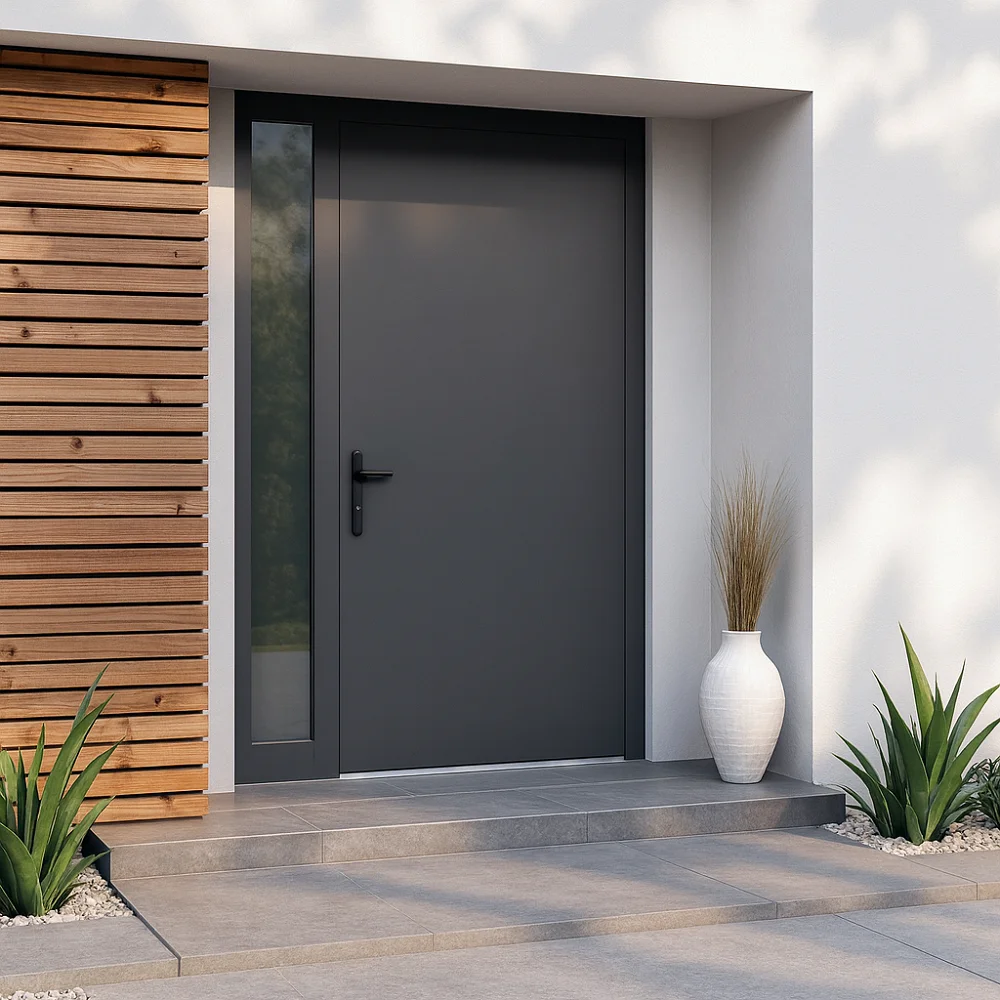
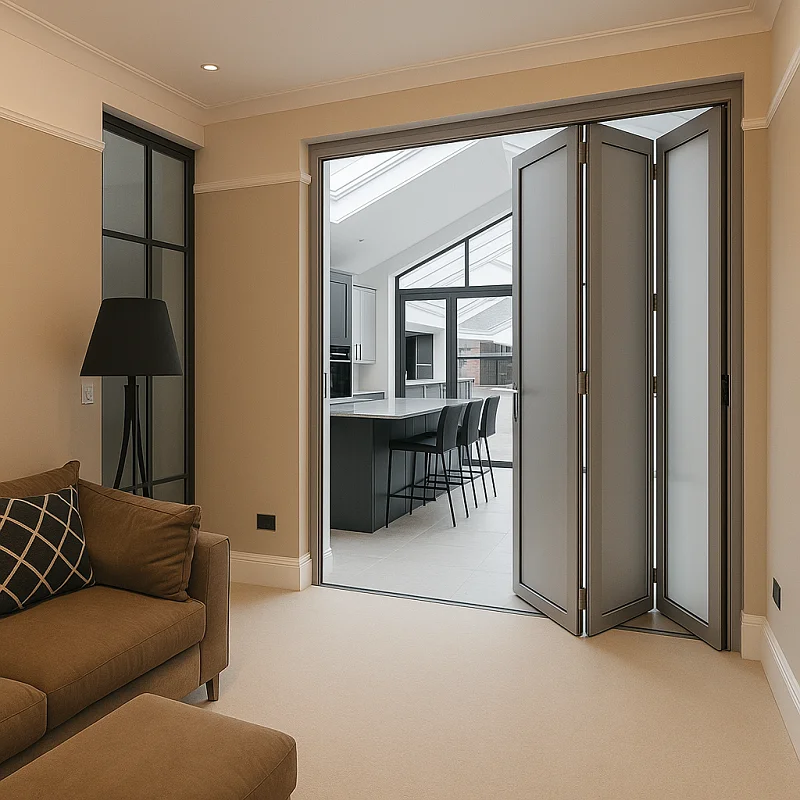
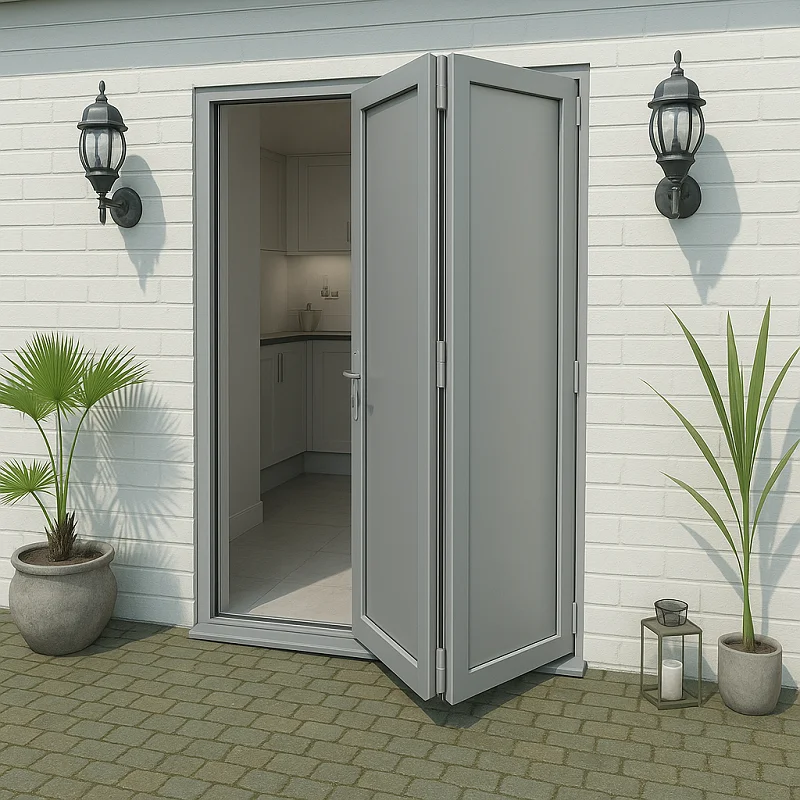
Operational efficiency of an aluminum door in Dubai depends on hardware calibration, insulation detailing, and resistance to sand infiltration. Fine desert dust common across the UAE accelerates wear on hinges, rollers, and locking mechanisms when systems are not properly sealed or specified. For this reason, quality-controlled aluminum doors incorporate multi-point locking assemblies, heavy-duty stainless components, and brush seals designed to limit particulate intrusion while maintaining smooth functionality.
Thermal transfer control is another defining factor in aluminium doors dubai projects. Buildings in Dubai experience extreme solar exposure, increasing indoor cooling demand. Thermally broken profiles reduce heat conduction between exterior and interior surfaces, supporting HVAC efficiency and minimizing condensation risk in air-conditioned environments. Double-glazed configurations, where applicable, further enhance insulation and acoustic control, particularly in high-traffic districts.
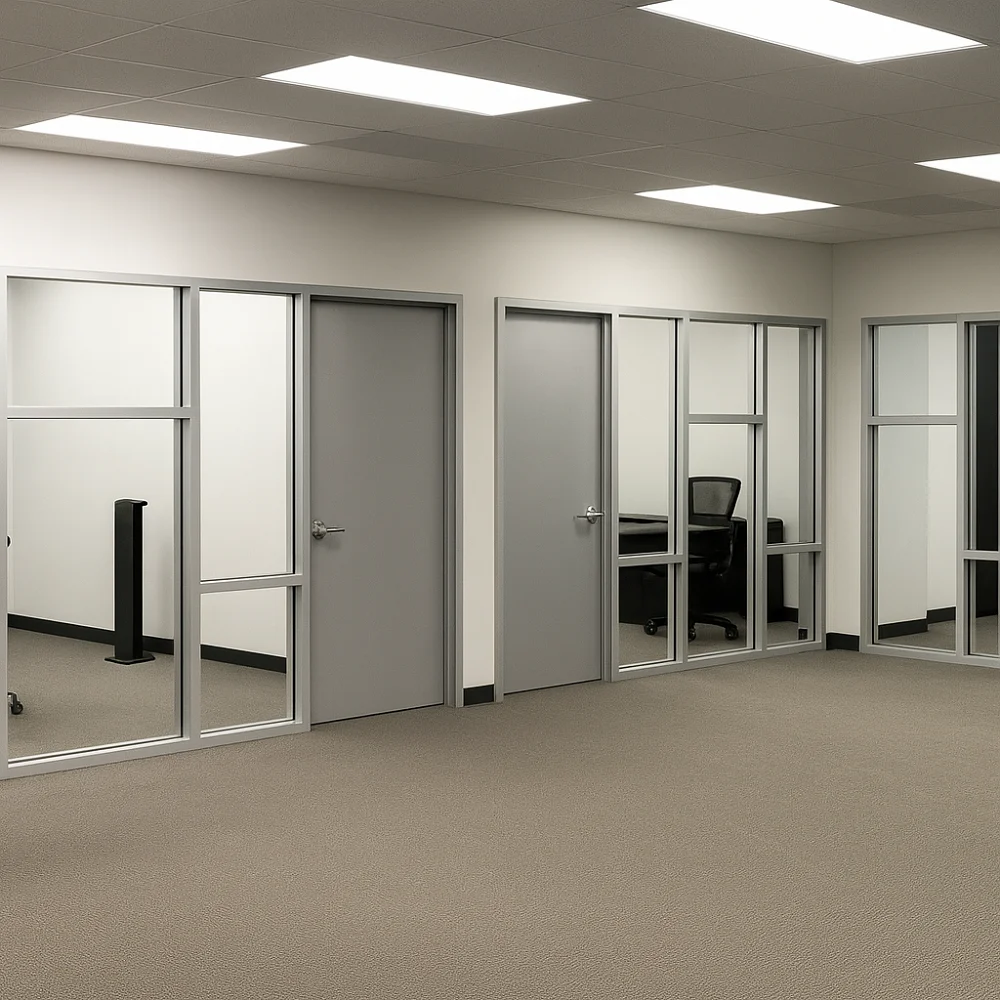
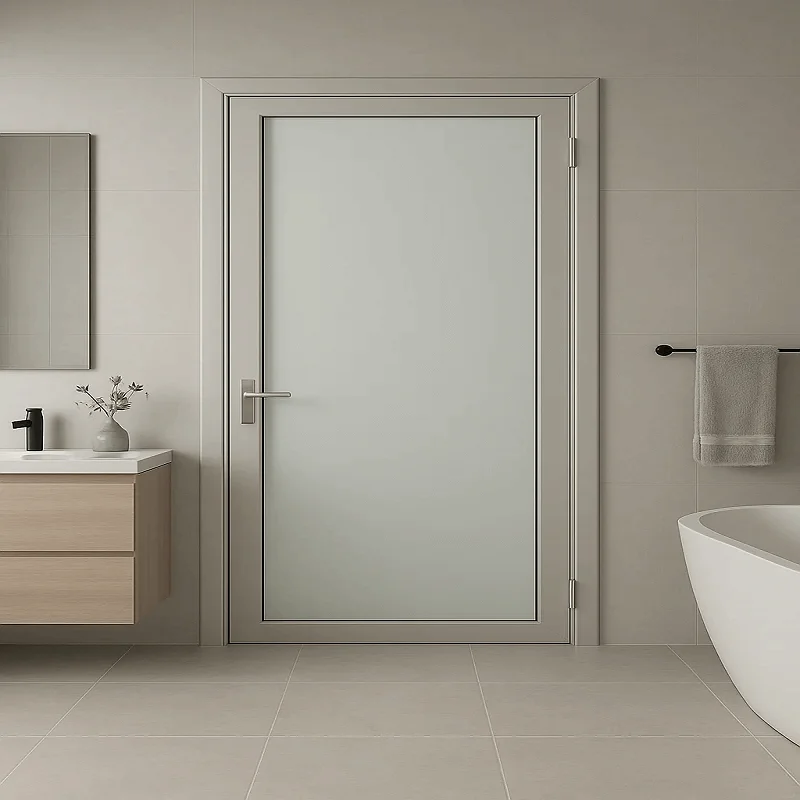
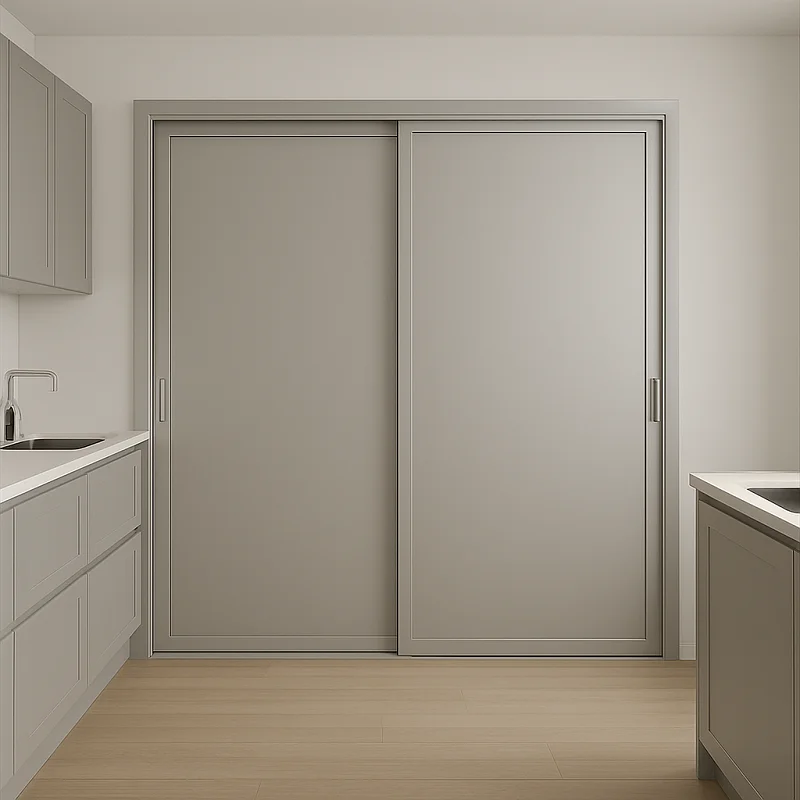
Daily usage intensity also influences long-term system behavior. Retail entrances, villa garden access points, and balcony transitions each impose different load cycles. Properly specified aluminum door systems are selected according to expected traffic frequency, panel weight, and opening type to prevent misalignment or hardware fatigue. Performance-driven specification directly impacts operational reliability and lifecycle stability